 “Gardening is about surprises”
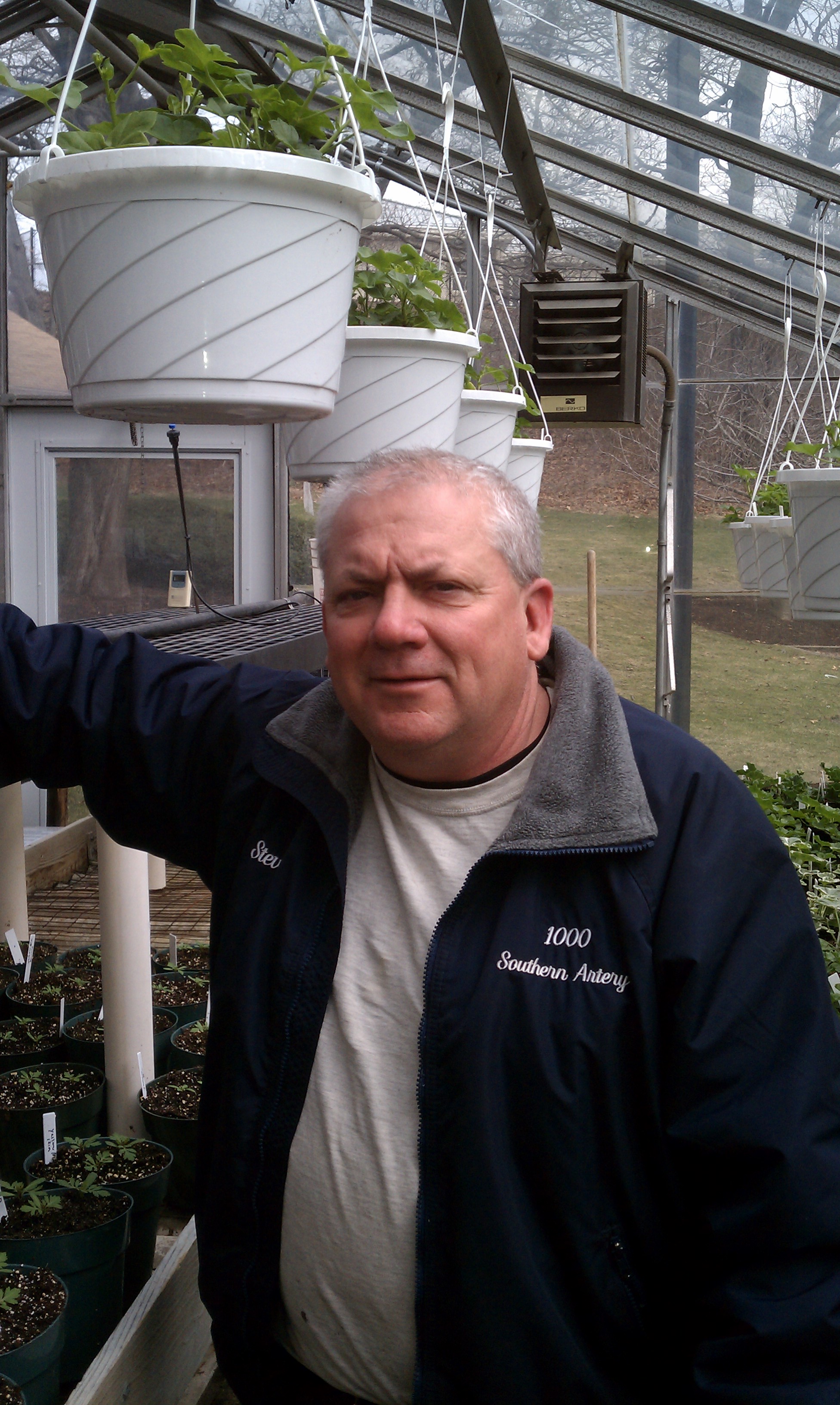
Meet Steve Baxter. He is the easy going and seasoned Grounds Superintendent at the 1000 Southern Artery senior housing complex in Quincy. In his role, he oversees the beautification and upkeep of 22 acres surrounding three large housing wings. After 22 years, he knows and loves every inch of the place. But there are 12 acres of the 22 that are his focus. These are the acres where his passion and commitment to gardening has taken root and where he has the freedom to garden the way he likes. Talk about a perfect match!
Baxter got interested in gardening as a young man. He attended Stockbridge and then UMASS Amherst, earning his horticulture degree and went on to own his own gardening business. After selling the business and working for a few years with another garden concern, he came to the Artery. “This place gives me the opportunity to garden without stress and the freedom to experiment with plants,” Baxter says. “Sometimes things work out 100%, sometimes 70% and sometimes not as all. That’s gardening.”
 Steve knows about the planning and effort needed to tend healthy, beautiful gardens. “It’s like a footrace. It’s April, you go like a son of a gun, planning and planting to make the spaces look a certain way come July and August. And here we have 1000 sets of eyes looking at us, admiring the gardens and keeping track of the plants — ‘Oh, there’s a little brown spot over here’ or ‘why aren’t the impatiens growing like the other ones? It’s great to have the residents so engaged.”
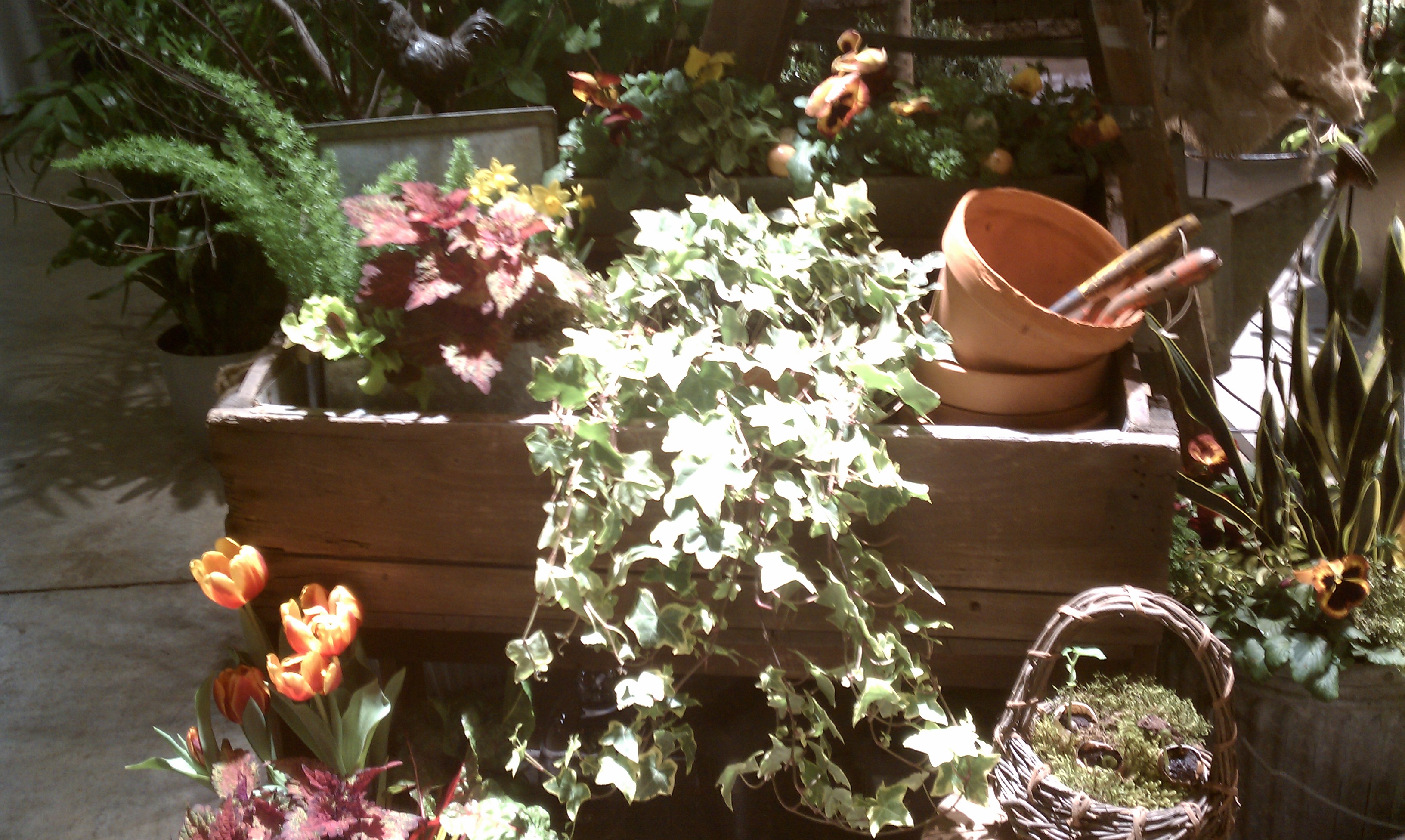
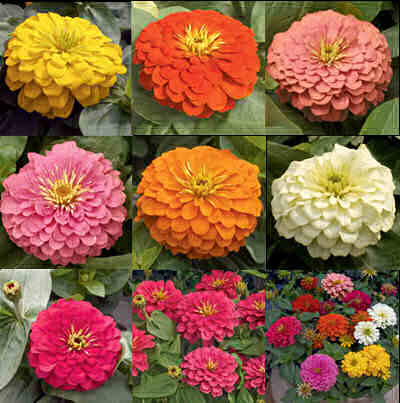
But it’s the front garden at 1000 Southern Artery that gets Steve excited. “The front Peace Garden is the showplace,” Steve says. “It gets good sun so I use mostly annuals – cleome, zinnias – with Sea Breeze salvia as a fringe plant. It’s a country garden, free flowing, with plants growing into other plants. Every year we make it beautiful.”
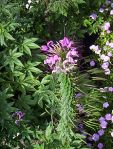 For Steve, gardening is about surprises. “That’s the nice thing about gardening,” he says, “you look at it in the morning and say ah, it looks good and then you look at it again in the afternoon and it looks different. Every day there’s something more to see.”
Successful gardening does, however, require some basic understanding of soil and putting the right plants in the right places.
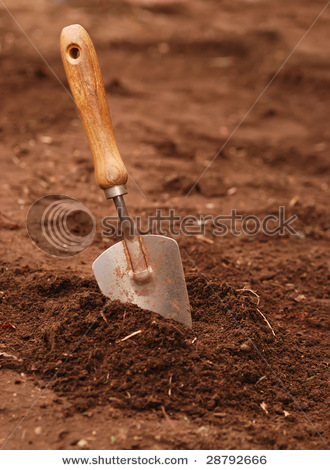
 “If you want something to succeed, you have to start properly,” Steve says. “The number one thing that gardeners should do is get the soil tested. You are spending good money on plants. If the soil is acidic, the plants can’t take up the nutrients and they will fail. And if you are tending a tree pit garden, be aware that maple trees give off acidity. “Make sure you have neutral soil – 7 pH. If it’s acidic, you’ll need to put down some lime. That takes the acidity out of the soil.” Test kits are available at Home Depot and at garden centers and are fairly easy to use.
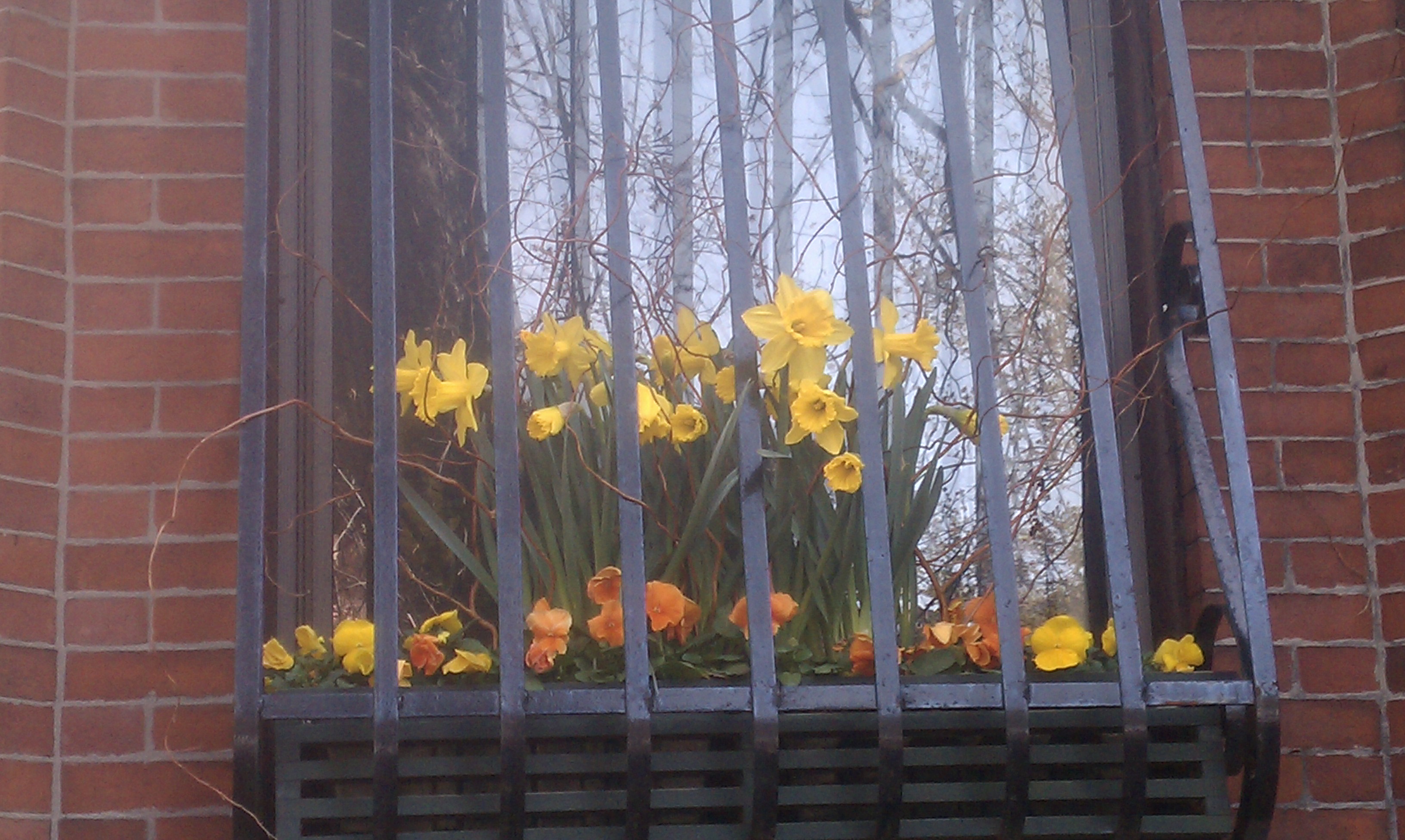
Next step is to determine where the flowers will be planted and figuring out how much sun the flowers will get. Whether it’s a window box, a container garden, a patio or street-side raised bed, knowing the sun/shade ratio is critical for successful plant selection.
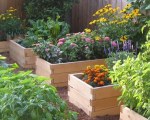 Speaking of raised beds, Steve plans to construct raised beds at the Artery. “We have a garden club here and many residents gardened when they had their former homes. Residents want to get their hands back in the soil. If someone is on a walker or can’t stoop to plant, a raised bed will give them easier access. Gardening is such a rewarding activity. It rewards you by color, by fruit or by texture.
“Pressure treated wood makes a great raised bed for flowers. But don’t use pressure treated wood if planting vegetables,” Steve says. “The chemicals could be taken into the plant roots.” Cedar is an “awesome wood” for raised beds but the cost is high. “Consider stackable walls with loose stone,” Steve suggests. “Stone or wood, it’s a personal preference but I like stone best. It’s less structured, freer flowing, and blends into the environment.”
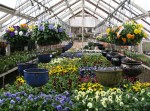 With the location determined and the sun light level confirmed, the fun part of choosing plants begins.
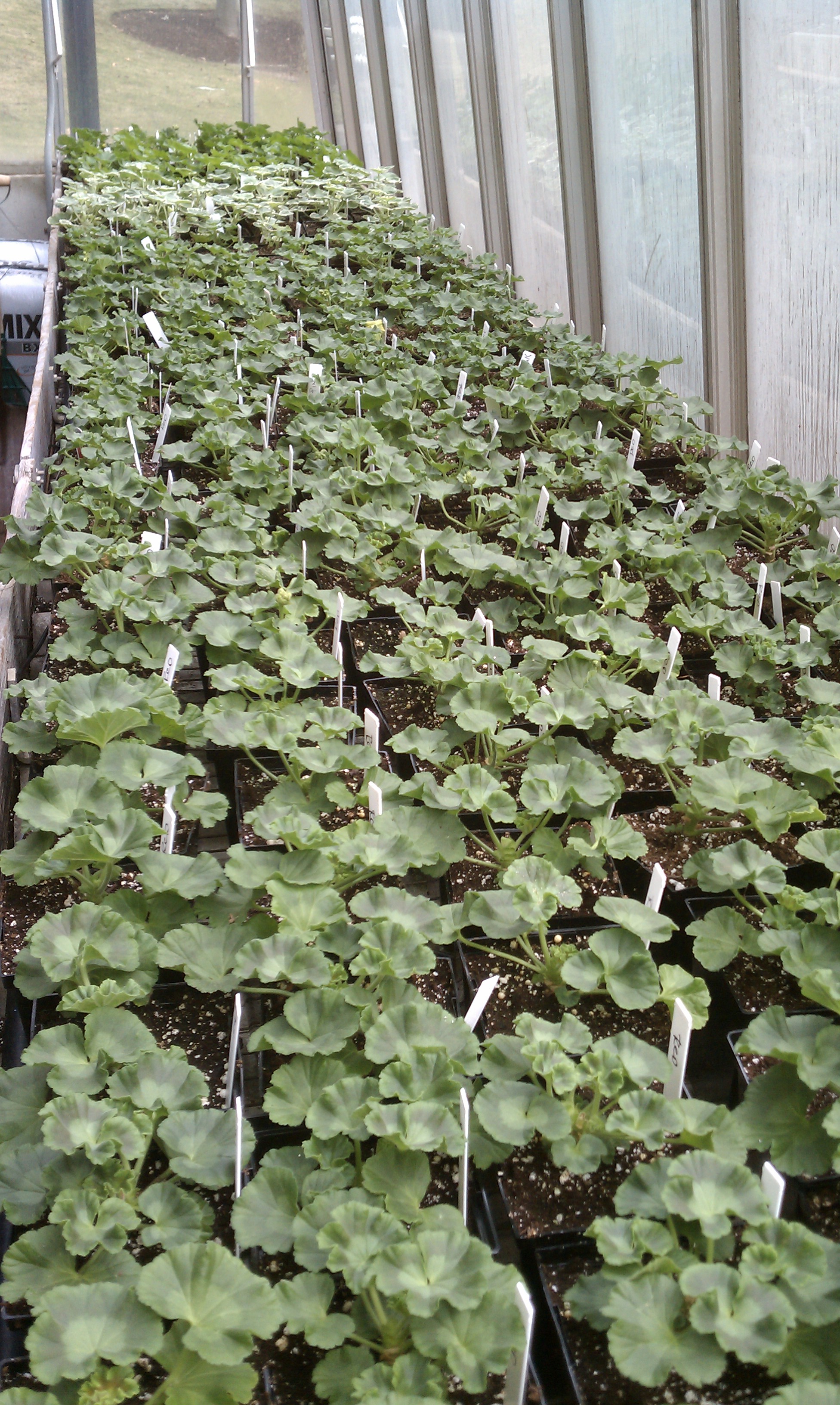
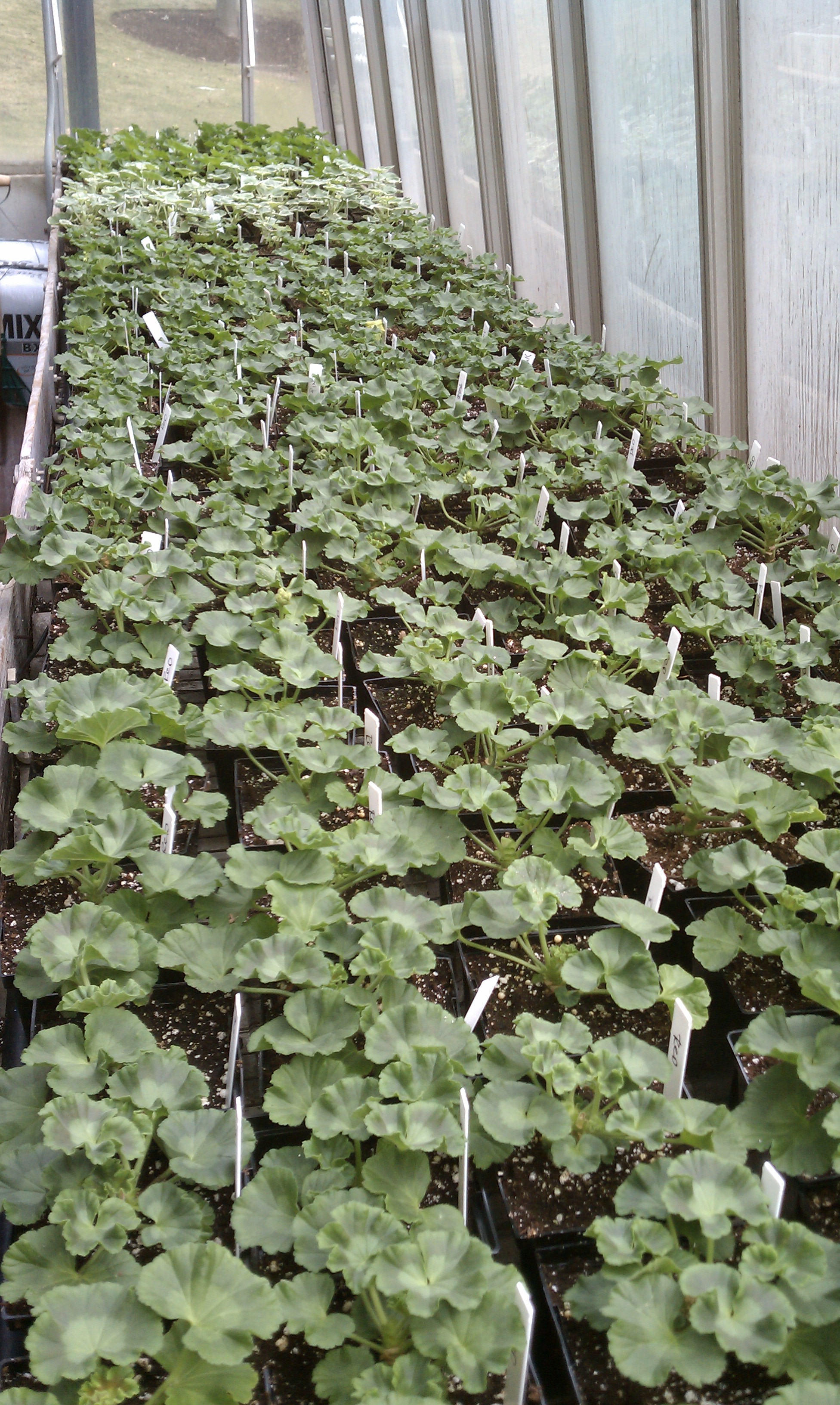
To choose good plants in flats, Steve advises a check for readiness and good roots. “Find a pack of flowers you like and squish one out of the flat. You’ll know it’s a good one if it comes out of the pack in one piece and comes out in the shape of the container it was in. If it doesn’t come out complete, and all the soil is in your hand, the plant has been forced to bloom. Don’t buy it.”
Next, check the root system. “With the flower out of the flat, make sure to gently tease out the roots. That way the feeding roots will get stimulated and be ready to take in nutrients.”
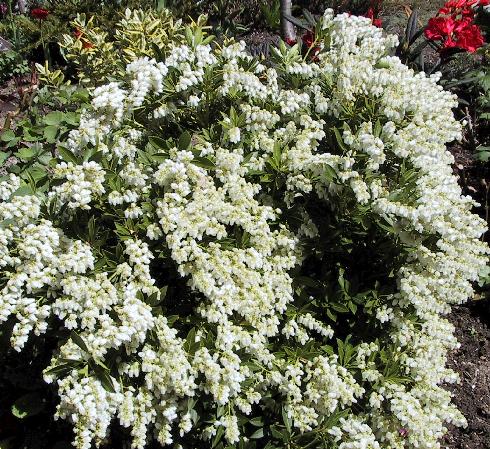
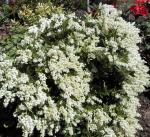 Then you need to design the garden space: height, texture, color and timing. “Ideally, you want to plant flowers that give a full range of color over time: Mountain Pieris in April, then azaleas, then impatiens, then rhododendrons, Shasta daisies, daylilies. It’s color from April till the end of September.“
Steve concedes that some city gardening may not need seasonal planning but stresses that it’s wise to have a plant plan before heading to the garden center.
Here are Steve’s top picks for beautiful, hardy flowers, ground covers and shrubs for a successful city garden.
Full/Partial Sun:
 • Purple leaf Sand Cherry – a small, deciduous plant with a red leaf, blooms a plum-colored flower. Salt tolerant. Grows to 4 feet. Great background plant.
• Korean Lilac – a small, deciduous lilac, grows 3+ ft, blooms delicate flower in May/June, fragrant smell.
• Sea Breeze Salvia: “Awesome plant to use and is a centerpiece for our gardens.” Sea breeze is blue. Ocean Mist is white. Together they are great anchor plants and they bloom till fall.
• Marigold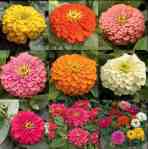
• Zinnias
• Cleome: a gorgeous, showy, prickly plant
• Shasta daisy
• Wave Petunia
• Yucca Plant – Nice spiked blossom. “Put it in and forget about it. It will surprise you when it flowers.” Drought resistant.
Partial Sun/Shade:
• Daylily: “Simple as the day is long but in urban settings these are terrific plants if you are gardening on the go.” Choose Stella Dora. Avoid the Asian lily.
• Impatiens: easy, don’t have to dead head and get a lot of results for it.
• Hollyhocks
• Astelby
 • Hosta – “Go beyond the eye roll. This is a great plant and it won’t quit on you.” There are more than 135 different varieties. Consider Elephant leaf – big giant green leaves and Golden Boy – odd-shaped leaf, round, purple flower.
• Coral Bell
• Pansies
• Butterfly bush. Very nice, low maintenance plant. Grows 4 – 5 feet. Purple attracts butterflies.
• Ground Phlox
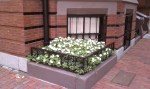 • Impatiens
• Azaleas:
• Ornamental Grasses: drought and salt tolerant
• Rhododendrons:
Shade Loving:
• Impatiens: performs well in sun or shade and and lots of varieties. Great in flower beds, tubs, and window boxes.
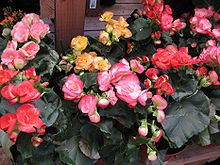
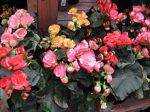 • Begonias: Excellent for flower beds and containers, green or bronze leaves and flowers in many colors. Needs protection from direct sun. Need to be deadheaded.
• Ajuga: A ground cover with a spiked purple flower. Grows in partial shade but can tolerate full shade.
• Myrtle: ivy with a purple flower
• Pacasandra: ivy with a white spike flower
Steve final advice: “You want your eye to flow from the front to the back. Lowest in the front, highest flowers in the back. It’s all about the visual. And don’t forget to fertilize your plants! Use Miracle Grow or Blossom Booster. “
Many thanks to Steve for his useful and down-to-earth (haha) advice.
Come hear Steve and other expert panelists on April 30th at the City Garden Ideas workshop. Information and registration on http://citygardenideas.eventbrite.com

 It’s almost here! Come join in the urban gardening fun at tomorrow’s (April 30th) City Garden Ideas workshop. 10am, First Church in Boston, 66 Marlborough Street in Boston. Get information and inspiration from five expert horticulturalists and one dedicated amateur gardener (that’s me!).













 City Garden Ideas