Happy 2012 and Flower Sculptures by Will Ryman

Hello and Happy 2012!
It’s been a busy first two weeks of the year!  I moved into a bright, new office on Marlborough Street and just couldn’t get my act together until now to blog…  Consider me back in action!
Fairchild Botanic Gardens with Red Flowers in BackgroundHere’s a good story…
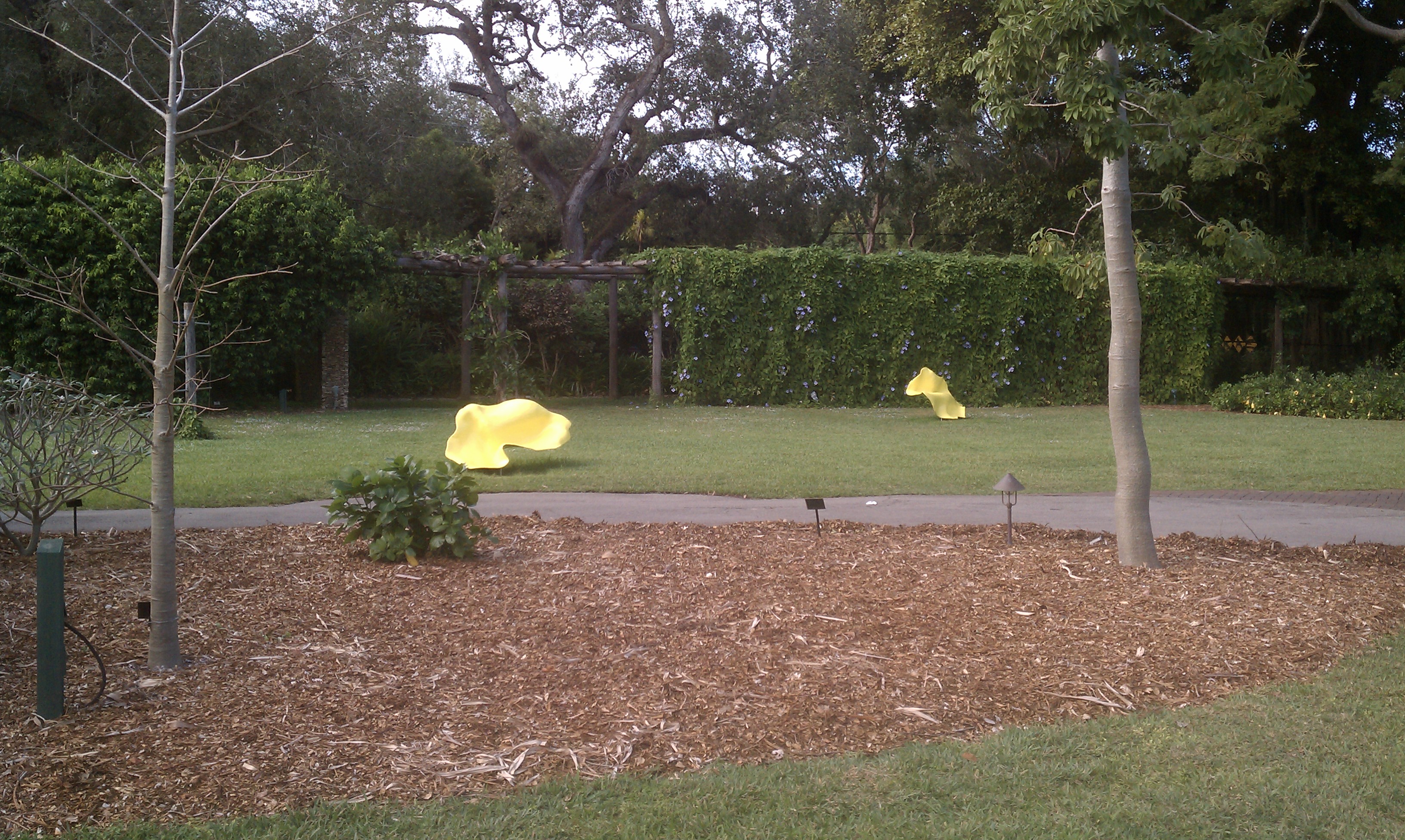
Just before the holidays, I visited my dear friend Joy near Miami, Florida.  As a special treat, she took me to the Fairchild Tropical Botanic Gardens. What a wonderful place!  Gorgeous, leafy trees and delicate flowers in bloom.  Wide lawns, curvy paths and a lovely lake.  There are plinking waterfalls found off spongy paths filled with shadows and earthy smells.  Amid all this beauty, there were odd, curvy shapes of red on the land and floating in the lake.   It wasn’t until we came upon a very tall (30 feet) and willowy sculpture of red roses by Will Ryman, that we realized that the red bits were petals “blown off” the enormous roses.  Delightful!  I’d never heard of Will Ryman before but I have become such a fan! Sculpted Red Roses  Take a look at this CBS Sunday Morning segment on Ryman’s installation in New York City’s Park Ave.
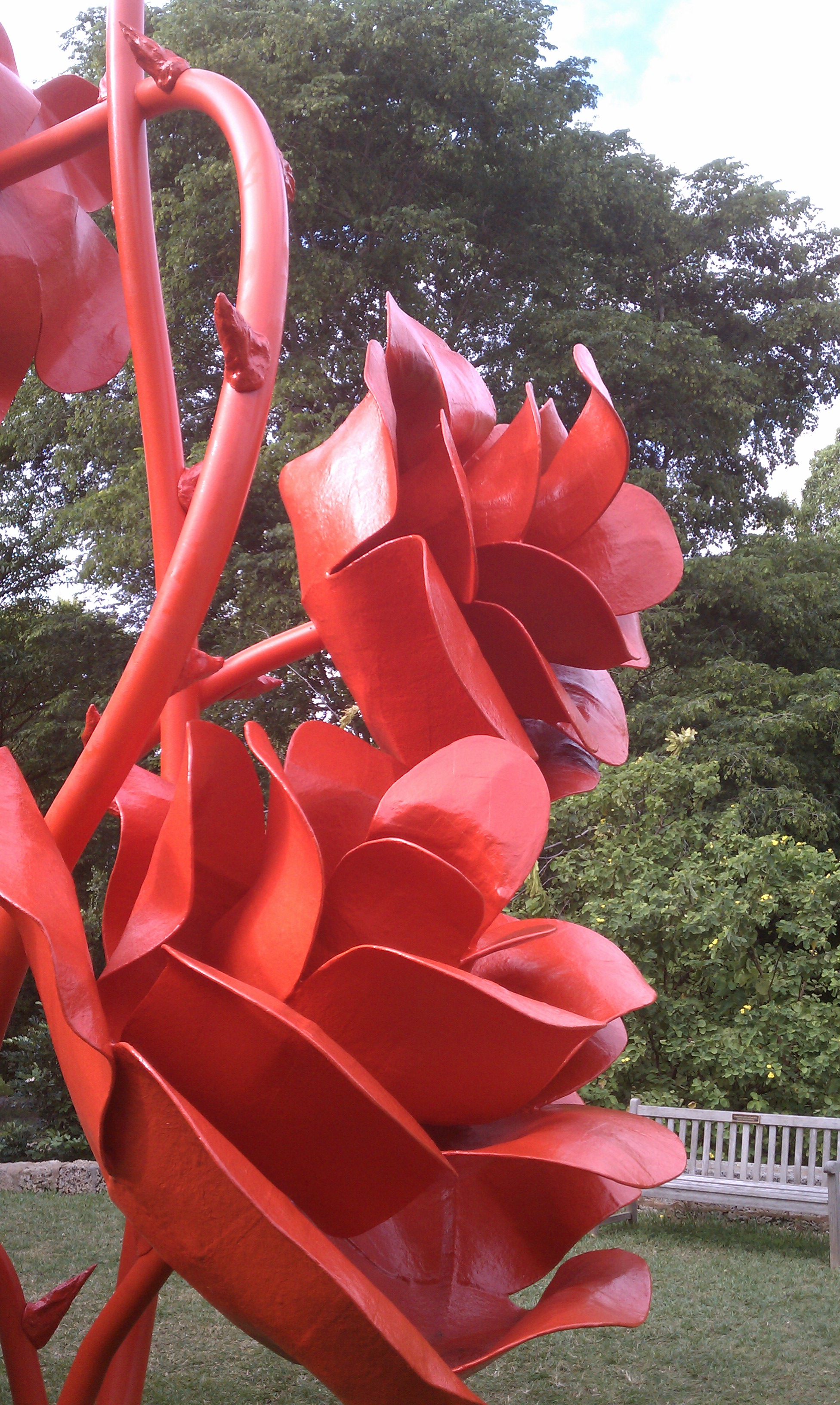
Red Roses Up CloseI’m going to advocate with the good people at the Rose Kennedy Greenway to see if a Ryman installation is possible here in Boston next winter.  What a boost to the spirit these roses would bring to Boston during its darkest and dreariest days.  Pictures of the Icon 2011 Yellow Roses by Ryman are below.  The red roses are called Origin 2011.  FYI: All the roses are shaped from fiberglass, stainless steel and marine paint.  Enjoy!Yellow Roses by Will RymanYellow Petals on the Lawn

Gifts for the Gardener? Winter Courses at NE Wild Flower Society

Hello all!
The run up to Christmas has been crazy!  I’ve still got a long shopping list… Hope you are finding joy in the season! 

If you need a gift for a gardener in your life, perhaps a January class at the New England Wild Flower Society would be a good present.

Below are two suggestions.  Get more information at http://www.newenglandwild.org/learn.

Saturday, January 21, 2012, 9 a.m.-3:30 p.m., Winter Botany, Garden in the Woods, Framingham, MA. Instructor William Kuriger, Ph.D., includes a classroom lecture on the taxonomic characteristics of trees, shrubs, and herbaceous and evergreen plants in winter, including hands-on identification of twig and plant specimens, followed by a walk around the site to put your classroom knowledge to work. Fee: $82 (Member) / $98 (Nonmember) Pre-registration is necessary, contact the registrar at 508-877-7630, ext. 3303.

 Monday, January 23, 2012, 2:00 p.m. tea, 2:30-4:00 p.m. program, Soil: Where Geoscience Meets Botany, Wellesley College, Wellesley, MA. Soil has been called “the bridge between life and the inanimate world.” Instructor Janet McDonough helps us gain new appreciation for this backbone of our landscape. From its origins in the glacial era, explore the characteristics of soils in New England and how they affect the plants in our landscape. How is soil made? What are the components of a good soil, and what easy methods can gardeners use to tell what amendments are needed? From geology to biology, get all the dirt on soil. Fee: $10 (Member) / $15 (Nonmember). Pre-registration is necessary, contact the registrar at 508-877-7630, ext. 3303.

Timely Advice: Put your garden to bed

                                                                      Expert horticulturalist Tom SmarrTom Smarr
at the Garden Concierge
offers this good advice to all gardeners.
“I find that many gardeners tend to take a break or drop back from gardening programs and reading during the late autumn and early
winter. Possibly resting before putting the energy back into the excitement for another growing year. However, I think it is important
for gardeners not to get too lazy in putting their garden to bed. Cut back appropriate perennials, protect and cover up others, and evaluate
shurbs that might need some additional ties for snow load protection.  I also will stake newly planted trees to protect from being pulled over by winter snow.” 
Great advice.  Thanks Tom!

Holy Hosta, Batman! 2011 Garden Lessons and Finds #2

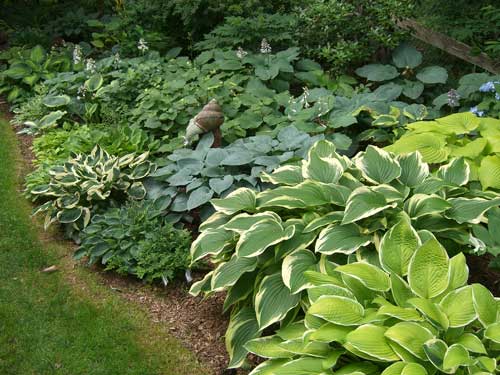
Leafy green hostasWhen I was young, the driveway to my childhood home – a multi-family in Quincy – was lined with a low stone wall. In the short  bed behind the wall, big, green, leafy hostas grew about every three feet.  I honestly didn’t pay much attention to the plant itself. To me it was something to run at and jump over.  It’s big, bushy mound of leaves were hurdles and I made it my own personal Olympic event.  Needless to say, I always won the gold.  I’m smiling at the memory…
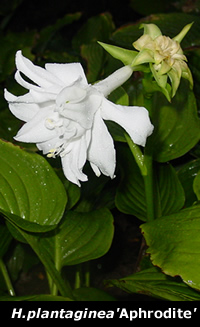
Aphrodite hosta with white flowerThis summer, I discovered the real beauty, variety and usefulness of the hosta.  There are hundreds of species in every shape, size, color and texture.  Choosing a favorite is tough!  Best of all hostas grow in shade and sun!   A rare find for city scapes. So the hosta earns #2 in my 2011 list of Garden Lessons and Finds
Hostas are easy to grow and shade tolerant.  They can do well in 3/4 to full sun.  According to the American Hosta Society (yes there is one),  a general rule of thumb is “the greener the leaf, the less sun necessary for the plant to grow well.”   The corollary to this “rule” also seems to work; “the more yellow and white in a leaf, the more sun necessary for sufficient photosynthesis to allow the plant to thrive.” And, some hosta growers have discovered that additional moisture will help a hosta survive in higher light levels!
The plant is native to Japan, Korea, and China and was first imported and grown in Europe in the late 1700’s. By the mid-1800’s, hosta were growing in the United States.  Hostas are available at most garden centers and are worthy additions to any city garden – shady or sunny.    Check out the American Hosta Society for more information.

Mums, Pumpkins and Prepping City Gardens for Winter

Hello all:
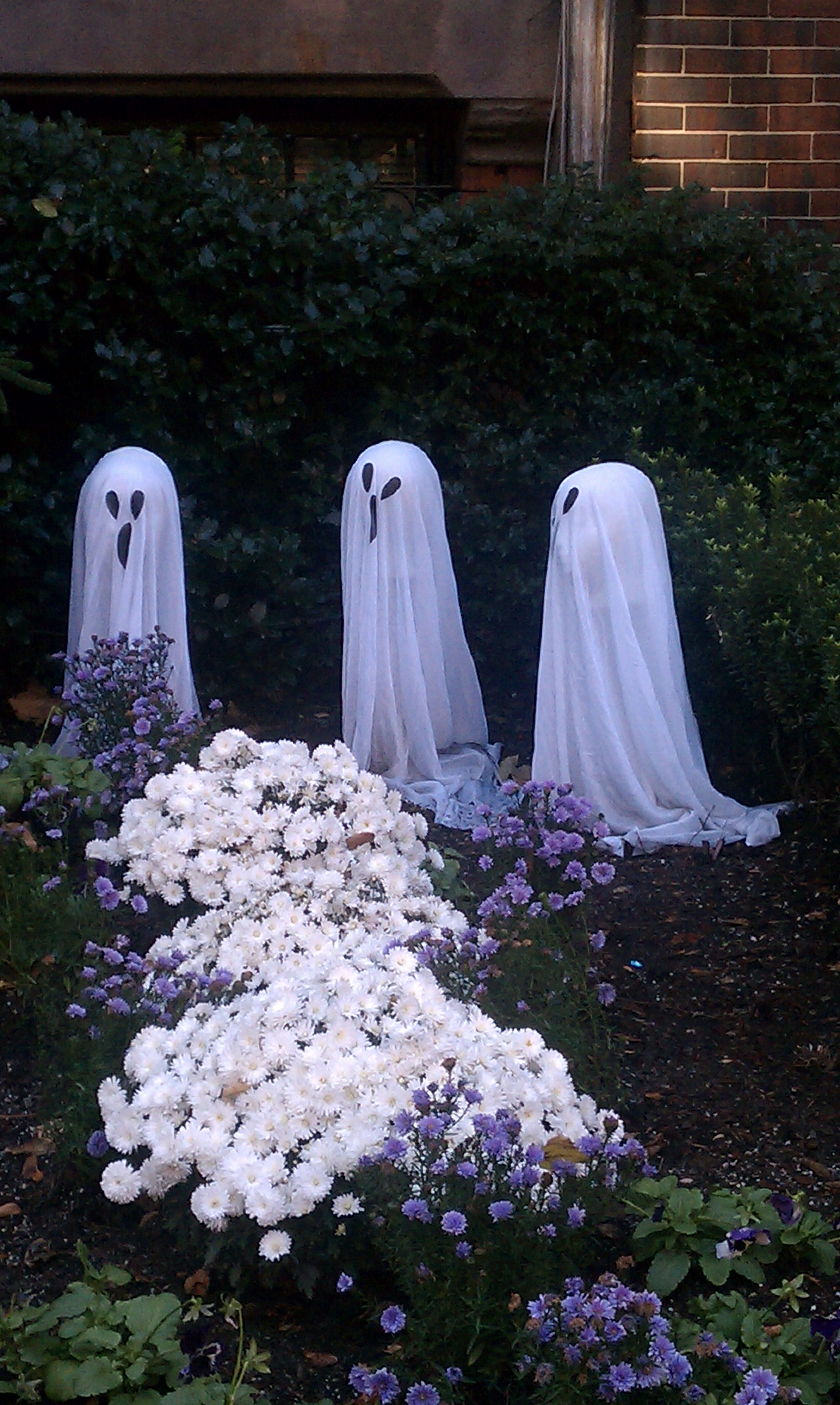
Three small white ghosts behind purple and white mumsVibrant mums of purple, white and yellow plus leafy green cabbages are still blooming all around Boston.  It’s great to see them alongside carved pumpkins and other remnants of Halloween. Four carved pumpkins on black outdoor stoop stairs Love those ghosts!
The frosty evenings have tinged the mums with spots of brown and the cabbage leaves are droopy but it is good to see color in neighborhood yards  for a while longer…

The beds in the Boston Public Garden are neat, rounded mounds of soil.  No plantings remain.  The raised beds near the front of the Prudential Tower are equally spare and clean of greenery.  Today the weather is going to be lovely – Autumn window box with mums and pumpkinsabove 60 degrees and sunny – so it is my turn to remove my garden plantings from their street-side bed.  It is bittersweet to tug out the plantings.  Such finality…  I’m reminded of that song Turn, Turn, Turn by the Byrds… “To every thing there is a season.  And a time to every purpose under heaven.” For your listening pleasure… It is a good day.  Enjoy every minute!

2011 Best Garden Finds and Lessons – First in a Series

Hello everyone. 
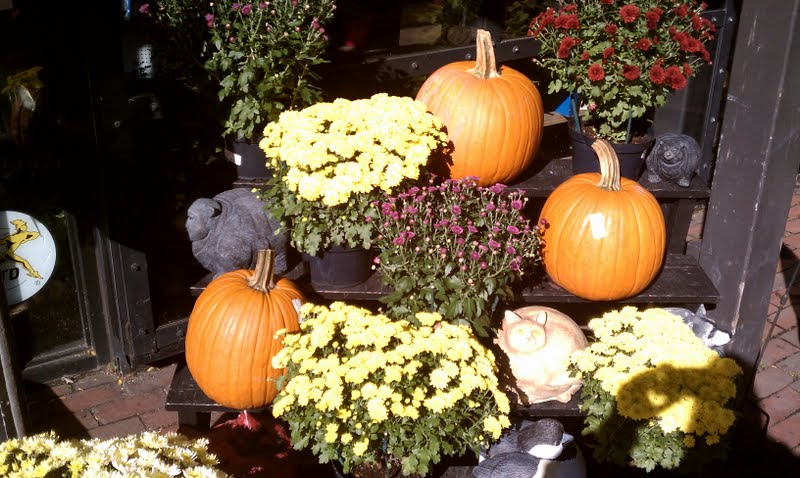
Purple and white mums with orange pumpkins on a three tier standIt’s mum time again…  As the leaves turn color and drift down from the trees, I’ve been reflecting about my 2011 garden and some of the best finds and lessons learned of the year. 
I’m going to start with an unexpected recommendation: a new tool. 
When I was coordinating the April 30th workshop, “Expert Advice andPractical Tips to Beautify Small Urban Spaces,” I read about a hand tool called the Cobrahead®.  

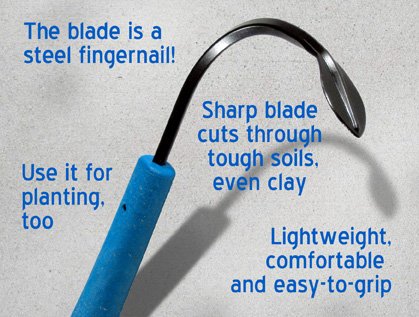
It claimed to be “The Best Tool In Earth” (clever) and would help with weeding, digging, planting, transplanting, edging and furrowing.   I sent an email to Geoff Valdes at Cobrahead asking for one of the tools to give as a door prize at the workshop.  Geoff generously sent a short handle Cobrahead Weeder and Cultivator as a door prize AND another to use myself.  At the workshop, several of the experts told me I’d be sad to give that tool away.  I was glad to tell them that I had one to use. 
And did I use it!  In my street-side tree garden, the roots grow up and into the added top soil, making a mesh that can be inpenetrable.  I’m fairly strong but it takes dedicated effort to loosen the soil enough to remove the tenacious roots and begin to plant… With the Cobrahead, it was so much easier!  Surprisingly so.  Cobrahead calls this tool a “steel fingernail.”  That’s a good description.   It cut through the soil and was very effective in pulling out weeds.  Many times I used it in place of a trowel.  The price is $24.95 and I recommend it.  Consider buying for yourself or giving as a gift to your gardening friends and family. 

The tool is made in Wisconsin.  The sales materials say the handle is a mix of recycled polypropylene and agriculturally grown flax fiber.  The steel blade is American made with a minimum recycle content of 60%.  The tool is tough and should last many years.   

Learn more at www.cobrahead.com

Gardening Blog and Books for Your Reading List

Hello Everyone: 
The weather in Boston today was glorious!  Sunny, warm and delightful!
Red, white and purple flowers and ivy on three tiersWanted to share the post below.  It comes from the Garden Club of the Back Bay –http://www.gardenclubbackbay.org/.  The gardening blog and book recommendations were worth passing along.  Enjoy!

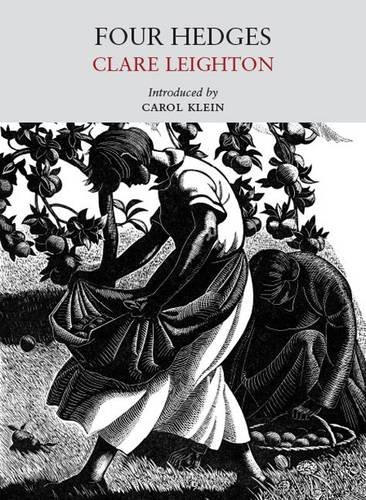
“GCBB member Susan Ashbrook alerted us to a very interesting blog, the captivereader.wordpress.com and three postings of gardening classics which are well worth examining.  Some listings and reviews will be well known to many, such as Anna Pavord’s excellent The Curious Gardener: A Year in the Garden, while others are ripe for discovery, such as Weeds: A Cultural History, and Four Hedges by Clare Leighton.

Find links to all three garden book installments at http://thecaptivereader.wordpress.com/2011/09/26/a-gardening-reading-list-part-iii/.Cover of Four Hedges book

Looking Ahead – 2012 Flower Calendar

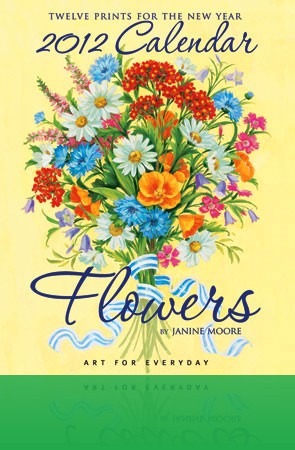
Hello All:  Janine Moore 2012 Calendar Cover with Summer Bouquet  of FlowersI know it’s early October but now is a good time to consider purchasing a beautiful 2012 calendar full of flower images for yourself, a family member, friend or coworker as a holiday gift! 
For several years, the Janine Moore “Flowers” calendar has been in my home.  Next year will be no exception. 
I get the 11″ x 14″ calendar with 12 months of pretty, seasonal botanicals.  You need to place each month’s calendar into a clear frame. I bought my frame at a local crafts store.  Frames are also available for purchase with the calendar.  Overall, the 2012 calendar contains lovely images of seasonal flowers – in baskets and buckets and wreaths and vases.  I particularly like the tulips of March and the lilacs of May.  Not too fond of the February “grandmother’s wall paper” image but it’s the shortest month so not a problem. 
The price for the 11″ x 14″ calendar is $28 plus shipping and handling.  I invite you to see for yourself at http://www.artforeveryday.com/

 Two notes: I’m not endorsing this calendar because Janine Moore shares my first name… (although it doesn’t hurt :-)). Her calendar art is beautiful and makes watching the days and weeks go by a pleasure. And I don’t receive anything from this artist or organization for this recommendation.

Fall Gardening – Going Beyond the Mum

Let me be honest.  My garden looks too darn good right now to think
about adding in more flowers to give it a fall boost.  Not yet. 
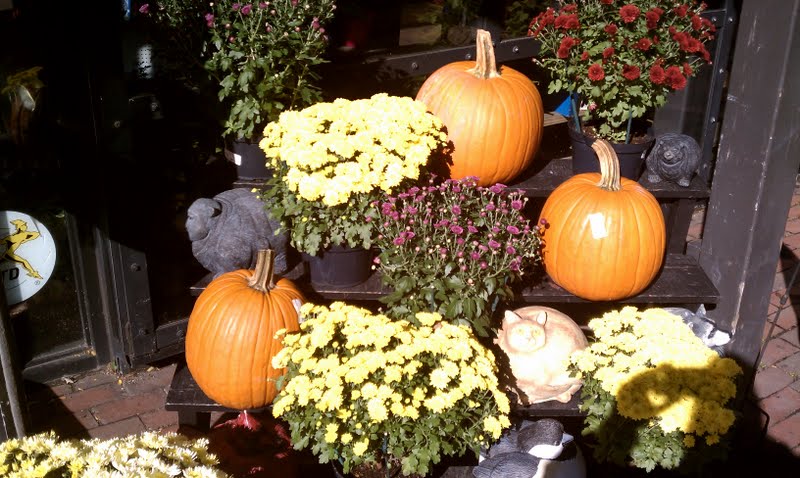
But I have created a top 5 fall flower list for those looking to add some vibrancy and texture to the end of season garden.  You may be surprised to see that the chrysanthemum is not on the list. Frankly, I’m not a big fan of the mum.  There’s something not right about one particular species of flower showing up in every garden, White and purple mums with three orange pumpkinswindow box and stoop as soon as the air gets chilly.  Yes, mums are hardy and come in gorgeous colors.  I’m just not keen on seeing the same big, bulbous mounds on every corner.

So here’s my top 5 list of mum alternatives.

1. Asters – These flowers are my new best friends.  Your local garden
shop and big box garden stores should have plenty of varieties and colors in stock.   They’re extremely easy to grow.   They love full sun but tolerate light shade.
Invite these pretty gals into your garden. You won’t be disappointed.
2. Helianthus:  Sunflowers are just the perfect flower to have in your
garden when the weather turns cold.   
Who can resist the bright, perky yellow
when you are pulling your sweater tight?

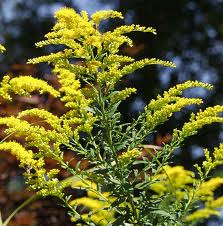
3. Goldenrod: This is not the plant that will make you sneeze! Put that thought out of your head.  This feathery plant will give color and texture throughout the fall.

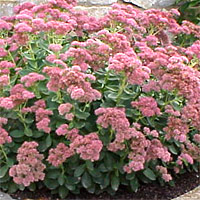
4. Sedum: There are many varieties of sedum and many types are topped by starry flowers in late summer and fall.  A common name for this plant is stonecrop.

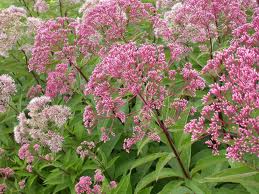
5. Eupatorium (Joe Pye Weed) – Rosemary, the assistant minister at my church, suggested this plant for the fall garden.  She says it’s a real winner and provides great color and texture.

October Classes at Garden in the Woods

The October course, class and workshop schedule is out for the New England Wild Flower Society in Framingham.  Three opportunities caught my eye… See below.  For more information, visit http://www.newenglandwild.org/learn.

Tuesday, October 4, 2011, 7-9 p.m., Design a Native Mixed Border Garden in the Fall, Beverly, MA. Your border garden can have four-seasons of beauty! Take advantage of ideal fall planting conditions to establish borders filled with native perennials, shrubs, vines, and small trees. Fall bargains abound in nurseries, and this is an ideal opportunity to begin fresh or redesign existing border areas in your garden. Fee: $26 (Member) / $32 (Nonmember). Pre-registration is necessary, contact the registrar at 508-877-7630, ext. 3303.

 Wednesday, October 12, 2011, 7-8:30 p.m., Fall Full Moon Hike, Garden in the Woods, Framingham, MA. Gain a new perspective on our beloved Garden in the Woods with a moonlit walk with Dan Jaffe, the Garden’s sole human full-time resident. Focus your senses on the diversity of smells, tastes, textures and sounds to be found along the pathways into the woods, around the pond, along the brook and back again. Experience the “muscle” of the musclewood tree, snack on a wintergreen snack while feeling the “fur” of the hairy sumac. Gain a unique nighttime appreciation of the plants and terrain on this night of the “Hunter’s Moon.” Fee: $20 (Member) / $24 (Nonmember). Pre-registration is necessary, contact the registrar at 508-877-7630, ext. 3303.

 Saturday, October 15, 2011, 10 a.m.-2 p.m., An Autumn Walk Through Forest and Bog, Grassy Pond Conservation Land, Acton, MA. Grassy Pond Conservation Land is a 96-acre sanctuary that includes Grassy Pond, associated wetlands, a small meadow, two small streams and a forest of oak, hickory, white pine and hemlock. Join instructor Roland “Boot” Boutwell to explore Grassy Pond, a kettle pond formed during the retreat of the glaciers. It exhibits bog characteristics (very wet/highly acidic) around the perimeter, with leatherleaf, highbush blueberry, red maple and tamarack moving in and shrinking the pond. The surrounding forest is filled with witch hazel and should be at or near full bloom by mid-October. Bring lunch, a favorite field guide and a hand lens if you have one. Fee: $36 (Member) / $44 (Nonmember). Pre-registration is necessary, contact the registrar at 508-877-7630, ext. 3303.